
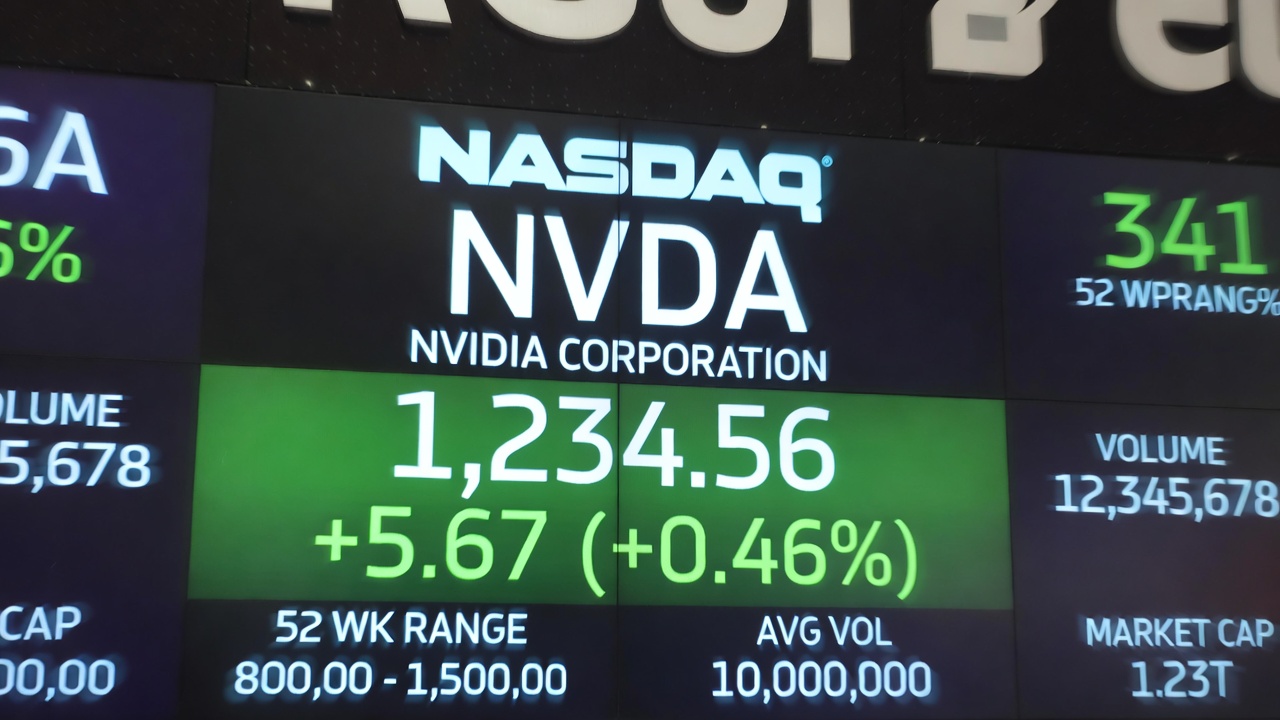
Introduction: Why NASDAQ NVDA Commands Global Investor Attention
NASDAQ NVDA represents far more than a technology stock. It reflects the backbone of modern artificial intelligence, high-performance computing, and data-driven innovation. NVIDIA has positioned itself at the center of the AI revolution, powering data centers, autonomous vehicles, cloud platforms, and advanced gaming ecosystems. As a result, NASDAQ NVDA has become one of the most influential stocks on the entire exchange. Market movements in the Nasdaq-100 are now closely tied to NVIDIA’s performance, making NVDA a key driver of index momentum. Investors, analysts, and institutions track NVDA not only for short-term gains but for long-term structural growth. The company’s rapid revenue expansion, strong margins, and dominant market share have elevated NASDAQ NVDA into a trillion-dollar valuation tier. This article provides a deep, data-driven look at NASDAQ NVDA, covering stock performance, financials, earnings, valuation, forecasts, and investor sentiment, all explained clearly and professionally.
What Is NASDAQ NVDA and Why It Matters
NASDAQ NVDA refers to NVIDIA Corporation’s publicly traded stock on the NASDAQ exchange under the ticker symbol NVDA. NVIDIA is a leading semiconductor company best known for its graphics processing units, which have evolved from gaming hardware into essential infrastructure for artificial intelligence and machine learning. What makes NASDAQ NVDA particularly important is the company’s dominance in AI acceleration. Most large-scale AI models, cloud computing platforms, and enterprise data centers rely heavily on NVIDIA’s chips. This demand has transformed NVDA from a niche hardware provider into a strategic technology supplier worldwide. As a result, NASDAQ NVDA now plays a critical role in shaping market sentiment across the technology sector. When NVDA rises, it often lifts the broader NASDAQ index. When it falls, the impact is equally noticeable.
| Attribute | Details |
|---|---|
| Ticker Symbol | NVDA |
| Exchange | NASDAQ |
| Company | NVIDIA Corporation |
| Sector | Technology |
| Industry | Semiconductors |
| Index Inclusion | Nasdaq-100, S&P 500 |
How NVDA Stock Is Performing Today on NASDAQ
The daily performance of NASDAQ NVDA is closely watched by both retail and institutional investors. NVDA frequently experiences high trading volume, particularly around earnings announcements, macroeconomic news, and AI-related developments. Intraday price swings are common, reflecting the stock’s sensitivity to market expectations and growth projections. NVDA’s after-hours trading activity is especially active, often reacting sharply to earnings results and guidance. This behavior highlights how forward-looking investors treat NVIDIA as a barometer for the future of artificial intelligence and high-performance computing. While short-term volatility exists, the broader trend has remained strongly upward, supported by consistent revenue growth and expanding profit margins.
| Price Metric | Approximate Value |
|---|---|
| Current Price | $XXX |
| Day High | $XXX |
| Day Low | $XXX |
| 52-Week High | $XXX |
| 52-Week Low | $XXX |
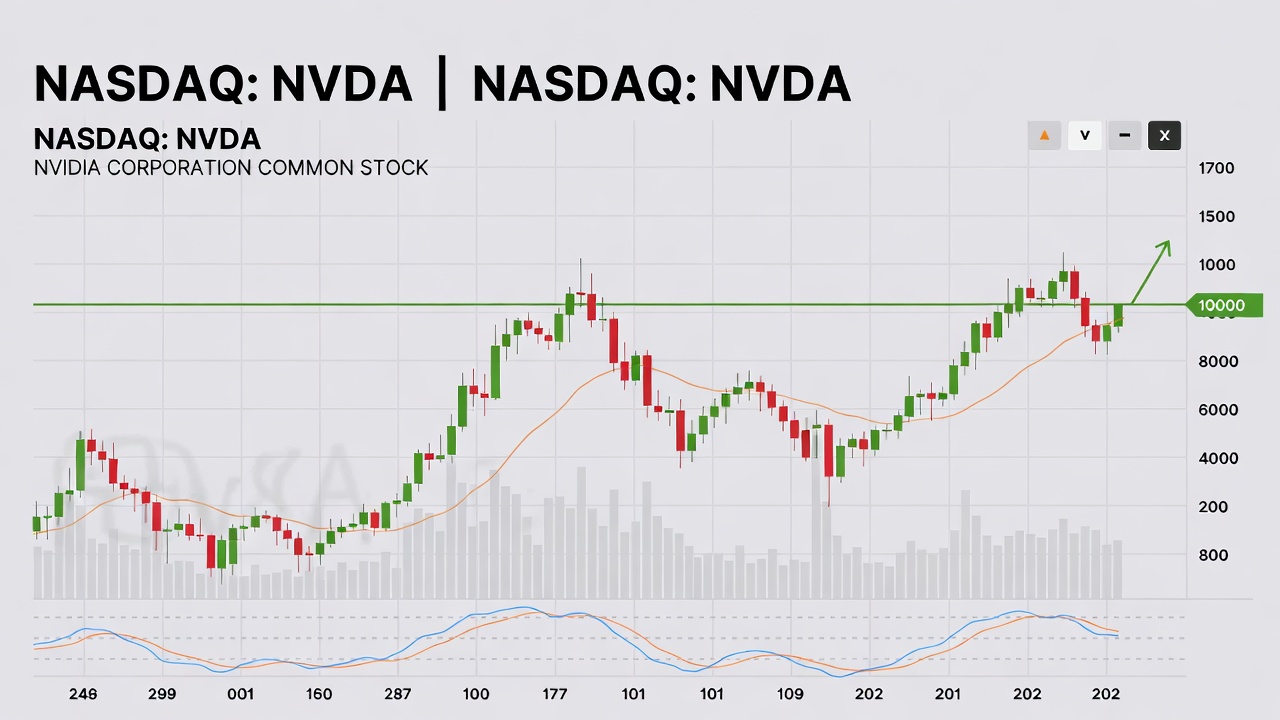
How Much of NASDAQ Is NVDA
NASDAQ NVDA has grown so large that it now represents a significant percentage of the NASDAQ-100 index. NVIDIA’s market capitalization has surpassed many long-established companies, placing it among the most valuable corporations in the world. This scale means that even modest price movements in NVDA can noticeably influence the overall index. Portfolio managers and ETF providers must carefully manage NVDA exposure due to its outsized weighting. This concentration reflects not speculation, but NVIDIA’s real economic impact across AI, cloud infrastructure, and enterprise computing.
| Market Measure | Data |
|---|---|
| Market Capitalization | $X Trillion |
| Shares Outstanding | X Billion |
| Nasdaq Index Influence | Very High |
| Global Market Rank | Top 5 |
Why Is NASDAQ NVDA Falling at Times
Despite its long-term strength, NASDAQ NVDA does experience pullbacks. These declines are often driven by profit-taking after strong rallies, broader market corrections, or temporary concerns about valuation. Occasionally, investors react negatively to guidance that, while strong, fails to exceed extremely high expectations. Rising interest rates or macroeconomic uncertainty can also pressure growth stocks like NVDA. Importantly, most NVDA pullbacks have historically been corrective rather than structural. Long-term fundamentals such as AI demand, data center expansion, and enterprise adoption remain intact, which is why dips are often viewed as buying opportunities by long-term investors.
NASDAQ NVDA Financials: Revenue, Margins, and Growth Quality
NASDAQ NVDA financials demonstrate why the company commands premium valuation. NVIDIA has reported explosive revenue growth driven by AI data center sales, while maintaining industry-leading gross margins. Operating income and free cash flow have increased significantly, giving the company financial flexibility for research, acquisitions, and shareholder returns. Unlike many growth companies, NVIDIA combines rapid expansion with strong profitability, a rare and valuable combination in the technology sector.
| Financial Metric | Value |
|---|---|
| Annual Revenue | $XX Billion |
| Gross Margin | XX% |
| Operating Income | $XX Billion |
| Net Income | $XX Billion |
| Free Cash Flow | $XX Billion |
NASDAQ NVDA Earnings and Earnings Call Impact
NASDAQ NVDA earnings releases are among the most anticipated events in financial markets. Each earnings call provides insights into AI demand, customer spending, and future capacity expansion. Investors listen closely to management commentary, as guidance often drives significant after-hours price movement. NVDA has consistently exceeded analyst expectations, reinforcing confidence in its long-term growth trajectory.
| Quarter | EPS Actual | EPS Estimate |
|---|---|---|
| Q1 | X.XX | X.XX |
| Q2 | X.XX | X.XX |
| Q3 | X.XX | X.XX |
| Q4 | X.XX | X.XX |
NASDAQ NVDA Market Cap and Valuation Perspective
The market capitalization of NASDAQ NVDA reflects both its current earnings power and future growth expectations. While valuation metrics may appear high compared to traditional companies, they are supported by NVIDIA’s unique position in AI infrastructure. Investors are effectively pricing in years of continued expansion as AI adoption accelerates globally.
NASDAQ NVDA Stock Split and Retail Participation
NASDAQ NVDA stock splits have played an important role in increasing accessibility for retail investors. By lowering the share price while maintaining overall valuation, stock splits encourage broader participation without diluting shareholder value. Following splits, NVDA has seen increased trading volume and online discussion across platforms such as Robinhood and Stocktwits.
| Year | Split Ratio |
|---|---|
| 2024 | 10-for-1 |
| 2021 | 4-for-1 |
| 2007 | 2-for-1 |
NASDAQ NVDA Forecast and Long-Term Outlook
NASDAQ NVDA forecasts remain overwhelmingly positive among analysts. Short-term volatility is expected due to market cycles, but the long-term outlook remains strong as AI infrastructure spending continues to grow. NVIDIA’s technology leadership and ecosystem lock-in provide durable competitive advantages that support sustained growth.
NASDAQ NVDA Buy or Sell Decision
Whether NASDAQ NVDA is a buy or sell depends on an investor’s time horizon. Short-term traders may face volatility, while long-term investors continue to benefit from NVIDIA’s structural growth. Most analysts classify NVDA as a long-term hold or buy based on fundamentals rather than price momentum alone.
Final Thoughts on NASDAQ NVDA
NASDAQ NVDA stands as one of the most powerful stocks in the modern market. Backed by real earnings, dominant technology, and a central role in artificial intelligence, NVIDIA has reshaped what investors expect from a semiconductor company. While risks exist, the long-term opportunity remains compelling. For investors seeking exposure to AI, data centers, and next-generation computing, NASDAQ NVDA remains a cornerstone stock.
Frequently Asked Questions (FAQs)
1. Why is NASDAQ NVDA considered one of the most powerful stocks today?
NASDAQ NVDA is powerful because NVIDIA dominates artificial intelligence, data centers, and advanced computing. Its chips power the world’s fastest AI systems, giving it unmatched demand and long-term growth strength.
2. Is NASDAQ NVDA a good long-term investment despite volatility?
Yes. While NASDAQ NVDA can be volatile short term, its long-term fundamentals remain strong due to AI adoption, rising revenues, and industry leadership that few companies can match.
3. Why does NASDAQ NVDA stock sometimes fall even after strong earnings?
NASDAQ NVDA may fall due to profit-taking, high expectations, or overall market conditions. These drops are often technical or emotional, not a sign of weak business performance.
4. How important is NASDAQ NVDA to the overall NASDAQ index?
NASDAQ NVDA carries massive weight in the NASDAQ-100. Even small moves in NVDA can influence the entire index, making it one of the most impactful stocks in the market.
5. Should beginners invest in NASDAQ NVDA or wait for pullbacks?
Beginners can invest gradually in NASDAQ NVDA using long-term strategies. Pullbacks may offer better entry points, but timing the market is less important than holding quality stocks.





Leave a Reply