
When the Indianapolis Colts face the Minnesota Vikings, fans can Colts vs Minnesota Vikings Match Player Stats expect a game full of strategic plays, standout performances, and stats that tell a deeper story than the final score. In this article, we’ll break down a recent matchup between these two teams, focusing on key player statistics, turning points, and what the numbers reveal about the game. Whether you’re a die-hard fan or someone who loves diving into football analytics, this article provides expert insight in a casual, approachable style.
Our focus here is a notable matchup that demonstrates how individual and team contributions shape outcomes in the NFL. By examining both team and player statistics, we can see how execution, strategy, and performance intertwine to determine a game’s result.
Game Summary: Setting the Stage
On this particular matchup night, the Minnesota Vikings walked away with a 21–13 victory over the visiting Indianapolis Colts. The final score tells part of the story, but the statistics reveal much more about how each team performed. The Vikings gained considerably more yardage than the Colts, showcasing a methodical and efficient offensive approach. Meanwhile, the Colts struggled to find rhythm, particularly in the passing game.
The Vikings were able to control the clock and maintain consistent drives, which allowed them to sustain offensive momentum and capitalize on scoring opportunities. The Colts had flashes of brilliance, but they were unable to convert those moments into a sustained offensive threat. Overall, the numbers emphasize Minnesota’s ability to dominate possession and field position throughout the game.
Passing Game Breakdown: Quarterback Performances
Colts Passing: Joe Flacco
Veteran quarterback Joe Flacco led the Colts under center. Flacco completed 16 of 27 passes for 179 yards, but he struggled to turn yardage into points, finishing the night with 0 passing touchdowns and 1 interception. His completion rate was reasonable, but without scoring passes, the Colts’ offense lacked the necessary punch to keep up with Minnesota.
The interception was a momentum shift in favor of the Vikings, and while Flacco did manage some critical yardage, the Colts’ passing game was ultimately inconsistent. Despite flashes of precision, the Colts were unable to generate sustained scoring drives through the air.
Vikings Passing: Sam Darnold
On the Vikings’ side, Sam Darnold had a productive performance. Darnold completed 28 of 34 passes for 290 yards, throwing 3 touchdowns but also committing 2 interceptions. His ability to consistently find receivers and move the chains helped Minnesota maintain control of the game.
Darnold’s efficiency and calm under pressure were key factors. Even with turnovers, he kept the offense on track and effectively converted scoring opportunities. The contrast between Darnold’s touchdown passes and Flacco’s scoreless night highlights the significant impact a quarterback’s performance has on the game’s outcome.
Rushing Attack: Ground Game Contributions
Rushing stats often determine a team’s ability to control the clock and set up manageable passing situations.
Colts Rushing: Jonathan Taylor
The Colts relied on star running back Jonathan Taylor, who gained 48 rushing yards on 13 carries. Taylor’s consistent yardage helped sustain drives, but the Colts struggled to create explosive runs. Without significant ground success, the team faced difficulties in flipping field position and keeping the defense off balance.
Vikings Rushing Production
Minnesota’s rushing attack was far more effective, with the team combining for 133 rushing yards. This allowed the Vikings to control possession, wear down the Colts’ defensive line, and complement their passing attack. The balanced offense of Minnesota kept the Colts guessing and contributed to sustained drives that led to scoring opportunities.
Receiving Corps: Who Made Plays?
Receiving stats reveal which players truly made an impact in moving the chains and creating scoring chances.
Vikings: Justin Jefferson Leading the Way
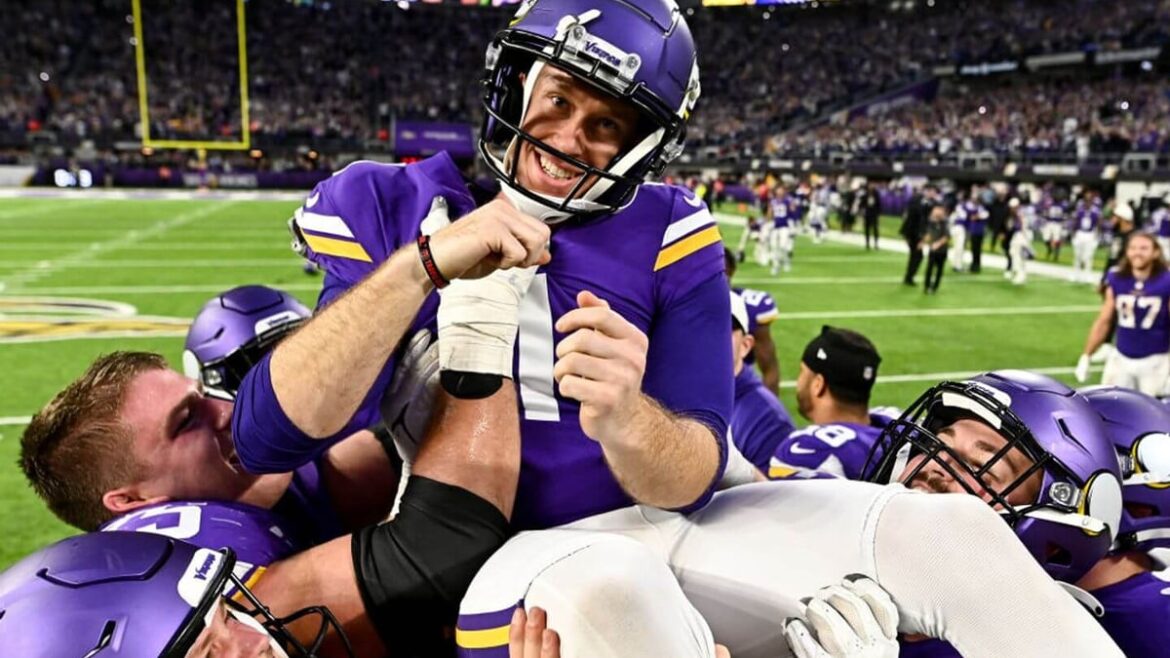
Wide receiver Justin Jefferson stood Colts vs Minnesota Vikings Match Player Stats out for Minnesota, catching seven passes for 137 yards. Jefferson’s route-running, ability to make contested catches, and big-play potential kept the Vikings’ offense in control and often put them in prime scoring positions. His performance illustrated why he is considered one of the top receivers in the NFL.
Colts Receiving Leaders
For the Colts, tight end Josh Downs and wide receiver Alec Pierce contributed, with Downs recording six catches for 60 yards and Pierce catching three passes for 41 yards. While these players were productive, the Colts’ receiving corps didn’t create the explosive plays necessary to sustain long drives. This limited their offensive effectiveness compared to Minnesota’s balanced approach.
Defensive Impact: Tackles, Sacks, and Game Turners
Defense often dictates the game’s rhythm, creating turnovers, pressuring quarterbacks, and making key stops.
Colts Defensive Standouts
The Colts’ defense had some bright spots. Linebackers Nick Cross and Zaire Franklin contributed with interceptions, while Grover Stewart recorded two sacks, providing pressure on the quarterback. Defensive plays, including a forced fumble returned for a touchdown, kept the game competitive.
Vikings Defensive Playmakers
Minnesota’s defense consistently pressured Joe Flacco and limited the Colts’ big-play opportunities. Their defensive stability allowed the Vikings’ offense to operate with confidence, knowing the opposition would struggle to sustain drives. This balanced approach between offense and defense was a key reason Minnesota controlled the game.
Special Teams and Miscellaneous Stats
Special teams also played a crucial role. Colts kicker Matt Gay connected on two of three field goal attempts, keeping Indianapolis within striking distance. Minnesota’s special teams units were steady, executing kickoffs, punts, and coverage effectively to maintain favorable field position. Every phase of the game—offense, defense, and special teams—contributed to the outcome.
Looking at the Numbers Holistically
When reviewing the stats as a whole, several patterns emerge:
- Offensive Balance: Minnesota successfully combined effective passing with productive rushing, creating manageable situations on every drive.
- Quarterback Impact: Sam Darnold’s three-touchdown performance versus Joe Flacco’s scoreless passing illustrates the difference quarterback play makes.
- Defensive Influence: Turnovers, sacks, and defensive scoring played a critical role in keeping the game competitive and influencing field position.
These patterns show how both team and individual performances contribute to the flow and outcome of an NFL game.
Final Thoughts
The Colts vs Vikings match ended with a 21–13 Vikings victory, but the stats reveal much more about how the game unfolded. From Sam Darnold’s effective passing to Justin Jefferson’s explosive receiving, and from Joe Flacco’s effortful but limited passing to Jonathan Taylor’s consistent rushing, this game showcased key individual contributions and strategic execution.
Analyzing these statistics helps fans, analysts, and fantasy players alike understand the nuances of the game. Each stat tells a part of the story—momentum shifts, efficiency, and player impact—all coming together to create the full narrative of a compelling NFL matchup.




Leave a Reply