
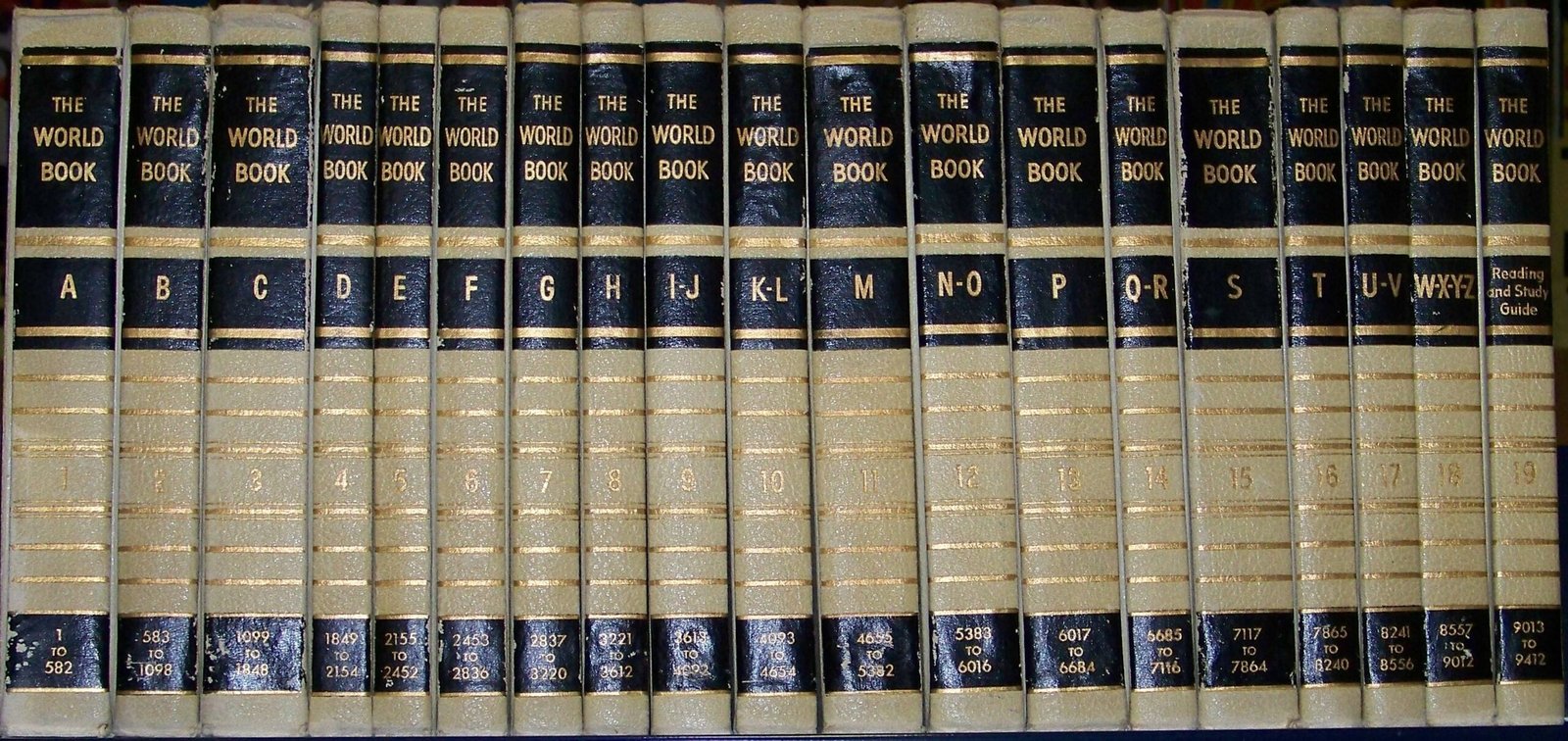
Have you ever wondered where people went to find answers before the internet existed? They turned to encyclopedias. These are massive sets of books that hold facts about almost every topic you can imagine. Whether you want to learn about tiny bugs, giant planets, or famous leaders, an encyclopedia is like having a library on a single shelf. They are designed to be easy to use so that anyone can become an expert on a new subject just by flipping a few pages.
I remember seeing a dusty set of these thick books in my school library when I was a kid. Back then, they felt like magic because they contained the whole world’s secrets. Today, even though we have websites, the core idea of encyclopedias remains the same. They provide a trusted place to find organized information that has been checked by experts. They help us understand the “who, what, where, and why” of history and science without making things too confusing.
What Exactly Are Encyclopedias?
At its heart, an encyclopedia is a collection of summaries. Unlike a regular storybook that you read from start to finish, you jump around in these books. Each topic is called an “entry” or an “article.” These articles explain things clearly so that students and adults can learn quickly. Think of it as a giant cheat sheet for the entire world. They cover everything from how a car engine works to the life story of a famous queen.
How to Find Information Quickly
Most encyclopedias are organized in alphabetical order. This means if you want to look up “Apples,” you look in the “A” volume. If you want to find “Zebra,” you grab the “Z” book. This simple system makes it very easy for kids to find exactly what they need for a school report. Some sets also have a special book called an “Index” at the end. This index lists every tiny detail and tells you exactly which page to visit.
The Long History of Fact Books
People have been trying to write down everything they know for thousands of years. The very first encyclopedias were written by hand on long scrolls. A long time ago, a man named Pliny the Elder wrote a famous set called Natural History. He wanted to record every fact about nature. Later, during a time called the Enlightenment, writers in France created a huge set of books to share new ideas about freedom and science with everyone.
Why We Can Trust These Books
One big reason people love encyclopedias is because of E-E-A-T. This stands for Experience, Expertise, Authoritativeness, and Trustworthiness. When you read a traditional encyclopedia, you know the authors are real experts. They are usually professors or scientists who have studied their topics for many years. This makes the information much more reliable than a random post you might see on social media or a blog.
Different Types of Encyclopedias
Not every encyclopedia covers every topic. Some are “general,” meaning they talk about a little bit of everything. Others are “specialized.” For example, you might find a book that is only about dinosaurs or only about space. These are great if you have a specific hobby. If you love music, a music encyclopedia will tell you about every instrument and composer ever known to man.
Moving from Paper to Digital
In the past, encyclopedias were always heavy books made of paper and ink. Today, many of them live on the computer. Digital versions are great because they can be updated very quickly. If a new planet is discovered, the digital book can change the facts instantly. You can also watch videos or listen to sounds right inside the digital articles. This makes learning feel more like playing a game.
Encyclopedias vs. Dictionaries
Some people get confused between a dictionary and an encyclopedia. A dictionary tells you what a word means and how to say it. An encyclopedia goes much deeper. It doesn’t just define a word; it tells you the history, the science, and the stories behind it. For example, a dictionary defines “Moon,” but an encyclopedia explains how the moon was formed and lists the names of every person who has walked on it.
How They Help Students with Homework
If you have a big project due, an encyclopedia is your best friend. It gives you a great “big picture” of your topic. Instead of reading a 300-page book about George Washington, you can read a five-page article in an encyclopedia. It saves time and gives you the most important facts first. Teachers often prefer these sources because they know the dates and names inside are correct and verified.
The Role of Editors and Writers
Creating encyclopedias takes a lot of hard work. A team of editors has to check every single sentence to make sure it is true. They look for mistakes and make sure the writing is easy to read. This is why these books are so respected. They aren’t just one person’s opinion; they are a group effort to keep the truth safe for the next generation of learners.
Why Print Versions Are Still Special
Even though we have the internet, some people still keep printed encyclopedias in their homes. They look beautiful on a bookshelf and don’t require any batteries or Wi-Fi to work. There is a special feeling to turning a physical page and stumbling upon a topic you weren’t even looking for. You might look for “Horses” and accidentally learn about “Holograms” on the next page. It’s a fun way to discover new things.
Famous People and Biographies
A huge part of any encyclopedia is the biography section. These sections tell the life stories of people who changed the world. To make it easy to read, many use tables to show the most important facts. Below is an example of how a biography might look inside a high-quality book or website.
Celebrity Biography Quick Facts
| Category | Details |
| Full Name | Famous Person Name |
| Known For | Music, Art, or Science |
| Main Achievement | Changing how we see the world |
| Top Works | Famous Books or Songs |
| Connection | Forbes 100 or Major Awards |
Conclusion: Keep Exploring the World
In conclusion, encyclopedias are much more than just old books. They are tools that help us make sense of a very big and busy world. By organizing facts and making them easy to find, they allow anyone to satisfy their curiosity. Whether you use a heavy book or a fast website, remember that seeking out the truth is a great habit to have. So, the next time you have a question, go find an encyclopedia and start your next adventure in learning!
Frequently Asked Questions (FAQs)
1. Who wrote the first encyclopedia?
The idea is very old, but Pliny the Elder wrote one of the most famous early versions in ancient Rome. Later, in the 1700s, Denis Diderot made a very famous one in France.
2. Are encyclopedias better than the internet?
The internet is faster, but encyclopedias are often more trustworthy. This is because they are checked many times by experts before they are published.
3. Can I use an encyclopedia for my school essay?
Yes! Most teachers love it when students use these books because the facts are reliable and the information is very well-organized.
4. Why are they so big and heavy?
Because they try to cover almost everything in the world! It takes a lot of pages to explain science, history, art, and geography all in one place.
5. Do people still buy printed encyclopedias?
While not as common as they used to be, some collectors and schools still buy them. However, most people now use online versions because they are easier to update.
6. Is Wikipedia a type of encyclopedia?
Yes, it is a digital, “open” version. This means many people can edit it. While it is very helpful, traditional encyclopedias are usually seen as more official because only specific experts can write for them.




Leave a Reply